



Every car reaches a point where keeping it on the road costs more than the car is worth. When that day comes, handing it to a licensed wrecker is usually the sensible move: you clear a dead asset off your property, you get a modest payment for the metal and salvageable parts, and those materials go back into use instead of sitting in landfill. This guide covers when the decision makes sense in Perth, what happens to the vehicle once it leaves your driveway, and the paperwork you need to sort out in Western Australia.
Why scrapping an old car makes financial sense
An ageing car quietly drains money. Parts get harder to find, small failures turn into big bills, and fuel economy drops as the engine wears. Once the next repair bill approaches what the car would sell for, you are spending money to keep a depreciating asset alive – and that is the point where most owners look at scrapping the car instead.
There are running costs even when the car sits still. Licensing and insurance keep charging whether you drive it or not, and an unused vehicle still takes up space in a driveway or yard. An older Mercedes-Benz or similar European car can be especially expensive to keep certified once major parts start to fail, which pushes owners towards scrapping sooner.
Scrapping turns that liability into a small return. Licensed yards pay based on the vehicle’s weight in recyclable metal and any parts worth reselling, and most arrange free removal, so you are not paying to tow a car that no longer runs. The payment is usually modest, but it beats letting the car rust in place.
The environmental side
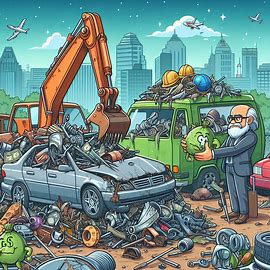
Older cars pollute more than newer ones. Worn engines burn fuel less cleanly, emissions gear degrades over time, and fluid leaks are common on older cars that have been standing for long periods. Taking an end-of-life vehicle off the road removes one of the dirtier cars from Perth traffic.
Recycling is the bigger gain. Most of a car’s weight is steel and other metals that can be melted down and reused, which cuts the demand for newly mined ore and the energy that comes with it. Batteries, tyres, oil, coolant and air-conditioning gas are removed and handled separately by a licensed operator, rather than leaking into the sandy soil under a car parked on dirt.
What actually happens to a scrapped car
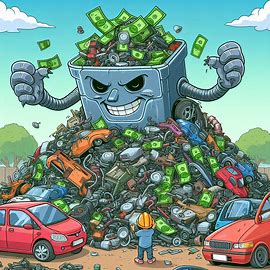
A reputable yard follows a set process. First the vehicle is depolluted: the battery comes out, fuels and oils are drained, tyres are removed, and the air-conditioning refrigerant is captured. Then usable parts – panels, lights, alternators, gearboxes, wheels – are taken off and shelved for resale, which is where much of the value in an older car actually sits.
What is left is the shell. It is crushed or shredded, and the fragments are sorted so the steel, aluminium and other metals can be separated and sold to mills as feedstock. Very little of a properly processed car ends up as waste. A yard in an industrial pocket of Perth such as Bellevue will do this under licence and to environmental standards.
The paperwork in Western Australia
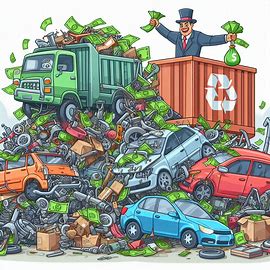
When you dispose of a vehicle you must notify the Department of Transport and Major Infrastructure within seven days that you have ceased to be the owner, and provide the name and address of the new owner – in this case the wrecker or scrap yard. Failure to notify results in a penalty. The transfer record also asks for the date of the sale, the price, and the vehicle’s plate number.
Standard Western Australian plates stay with the vehicle. If the car carries personalised or optional plates you want to keep, exchange them at a DTMI service centre before the car goes. If a vehicle has already been recorded as a statutory write-off, it can never be made roadworthy or relicensed again – parts and scrap are all it is good for.
Is it worth it for your car?
It comes down to the car’s age, whether it still drives, how complete it is, its weight in metal, and how easily a truck can reach it. If the car is a running vehicle in tidy condition, selling it privately will usually return more than scrapping, so it is worth checking that first and reading up on how to increase a scrap car’s value before you commit. If it is genuinely at the end of the line, scrapping is the clean way out. For an honest assessment of what your car is worth, call Cash for Cars Perth on 0420 262 651 and we will price it on the details.
Common questions
Do I need a roadworthy certificate to scrap a car?
No. A roadworthy inspection is only needed to license a car for use on the road. A vehicle going to a wrecker for parts and scrap does not need one.
Can I scrap a car that isn’t licensed?
Yes. An expired vehicle licence does not stop you disposing of a car. You still need to notify the Department of Transport and Major Infrastructure that you are no longer the owner.
What if I’ve lost the registration papers?
A licensed yard can usually still take the vehicle if you can show photo identification and prove the car is yours. If ownership records are unclear, contact the Department of Transport and Major Infrastructure before arranging pickup.
How much is a scrap car worth?
Every vehicle is different, so the fairest way to find out what yours is worth is to give us a call – we’ll price it on the details and confirm it before pickup. Value comes mainly from the car’s weight in metal and any parts still in demand.